
How to Calm Your Cat Before Going to the Vet
Taking a cat to the veterinarian can feel like an insurmountable task. You pull out the carrier, and suddenly your calm, quiet cat disappears under the bed or turns into a spitfire. If you’ve ever wondered how to calm your cat before going to the vet, you’re not alone. The good news is that with the right preparation, environment, and approach, you can make the experience smoother for both you and your cat. At Cornerstone Veterinary Hospital of Saratoga Springs, we work closely with pet owners to create more relaxed visits, starting well before you walk through our doors.
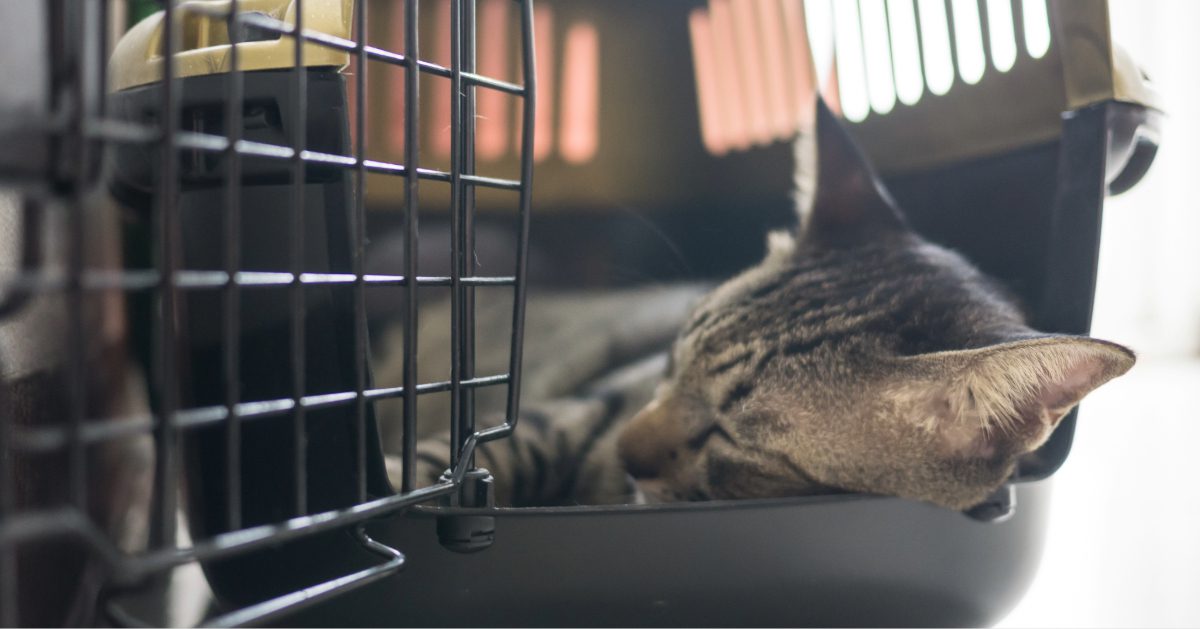
How to Calm a Cat Before a Vet Visit
Understanding how to calm your cat before going to the vet begins with recognizing what causes stress in the first place. Cats are highly sensitive to changes in their environment, and a sudden shift, like bringing out a carrier or leaving home, can feel overwhelming. By preparing ahead of time and creating positive associations, you can reduce anxiety and help your cat feel more secure throughout the process.
One of the most effective ways to calm your cat before a vet visit is to start early. Avoid waiting until the day of the appointment to introduce anything new. Instead, gradually incorporate elements of the visit into your cat’s routine. Leave the carrier out in a familiar space, allow your cat to explore it freely, and reward calm behavior with treats or affection. This helps remove the “surprise factor” that often triggers stress.
Your own demeanor also plays a role. Cats often pick up on subtle cues from their owners, including tone of voice and body language. Moving slowly, speaking softly, and maintaining a calm presence can help reassure your cat. Try to keep the environment quiet and predictable before leaving for your appointment.
You can also reduce stress by planning your timing carefully. Choose appointment times that allow you to avoid rushing. Giving yourself extra time means fewer sudden movements or loud noises, which can make a noticeable difference in your cat’s comfort level.
Here are a few simple ways to help calm your cat before leaving home:
- Keep your cat in a quiet room with minimal stimulation before departure
- Use familiar bedding or blankets that carry your cat’s scent
- Avoid loud noises or sudden disruptions in the home
- Gently guide your cat into the carrier instead of forcing them
Taking these small steps can help create a smoother transition from home to clinic, making the entire experience less stressful.
Cat Carrier Training Tips
For many cats, the carrier is the biggest source of anxiety. It often only appears when something unfamiliar is about to happen, which can create a negative association over time. Learning how to calm your cat before going to the vet often starts with rethinking how you use the carrier.
Instead of storing the carrier out of sight, keep it accessible in your home. Place it in a room your cat frequents and leave the door open so it becomes part of the everyday environment. Over time, your cat may begin to view it as a safe, neutral space rather than a signal that a vet visit is coming.
Adding comfort to the carrier can also make a difference. Soft bedding, a favorite toy, or even an item of clothing with your scent can help create familiarity. You want the carrier to feel like an extension of your cat’s safe space, not a foreign object.
Gradual Desensitization
Training your cat to feel comfortable with the carrier takes patience, but gradual exposure can be very effective. Start by encouraging your cat to explore the carrier on their own terms. You can place treats inside or feed meals near the opening to build positive associations. As your cat becomes more comfortable, begin closing the door briefly while offering reassurance.
Once your cat tolerates being inside the carrier, you can take the next step by simulating short trips. Carry the carrier around your home or take a brief car ride to help your cat adjust to movement. These small practice sessions can reduce anxiety when it’s time for the actual appointment.
Carrier Placement and Handling
How you handle the carrier on the day of the visit also matters. Keep it level and steady while carrying it, and avoid swinging or sudden movements. Placing a lightweight towel over the carrier can help reduce visual stimuli, which often contributes to stress.
When choosing a carrier, look for one that opens from the top as well as the front. This allows for easier access and can reduce the need to pull your cat out during the exam. A well-designed carrier supports a calmer experience from start to finish.
Consider these carrier training tips:
- Leave the carrier out year-round instead of storing it away
- Use treats, toys, or meals to build positive associations
- Practice short trips to help your cat adjust to motion
- Cover the carrier during transport to reduce stimulation
By turning the carrier into a familiar and comfortable space, you can significantly improve how your cat responds to vet visits.
Calming Aids for Cats
When you’re exploring how to calm your cat before going to the vet, calming aids can be a helpful addition to your preparation. These tools are designed to reduce stress without overwhelming your cat, and they can be used alongside behavioral strategies for better results.
Pheromone-based products are one of the most commonly used options. These products mimic natural calming signals that cats release in safe environments. You can use sprays or wipes inside the carrier or in the room where your cat spends time before the visit. This can help create a sense of familiarity and comfort.
Another option is incorporating calming routines at home. Gentle play sessions before the appointment can help release excess energy, while quiet time afterward allows your cat to settle. Establishing a predictable routine gives your cat a sense of control, which can reduce anxiety.
Natural Calming Techniques
Simple environmental adjustments can also make a difference. Keeping lighting soft, minimizing noise, and maintaining a consistent routine can all contribute to a calmer experience. Even something as small as using the same blanket for every trip can provide reassurance.
Some pet owners also explore calming treats or supplements designed for cats. These products often contain ingredients that promote relaxation. If you’re considering this route, our team at Cornerstone Veterinary Hospital of Saratoga Springs can help guide you toward options that align with your cat’s needs.
Travel-Day Strategies
The day of the appointment is when all your preparation comes together. Focus on keeping the experience as smooth and predictable as possible. Load your cat into the carrier in a quiet area of your home, and move steadily as you leave.
During the car ride, keep the carrier secure to prevent sliding or sudden shifts. Playing soft music or maintaining a quiet environment can help reduce external stressors. Once you arrive, keeping the carrier covered and close to you can provide additional comfort.
Here are a few travel-day tips to keep in mind:
- Place the carrier on a stable surface in the car
- Keep noise levels low during transport
- Avoid unnecessary stops or delays
- Speak softly to reassure your cat
These strategies can help create a more controlled and calming experience from start to finish.
A Smoother Path to Veterinary Visits
Learning how to calm your cat before going to the vet can transform the entire experience for both you and your pet. Small, consistent efforts, like carrier training, creating a calm environment, and using supportive tools, can lead to more relaxed visits over time. At Cornerstone Veterinary Hospital of Saratoga Springs, we take pride in creating a welcoming and low-stress environment for cats and their owners.
If your cat feels anxious about vet visits, you don’t have to navigate it alone. Our team is here to guide you with personalized recommendations and thoughtful care at every step. Call us at (518) 691-3300 or book an appointment online to schedule your visit. Together, we can make veterinary care a more comfortable experience for your cat.
Recent Posts
Cat Spay Incision Lump
Cat Spay Incision Lump: Is It Normal? When you bring your cat home after a spay procedure,…
Dog Loose Tooth: What to Do
Dog Loose Tooth: What to Do When you notice a dog’s loose tooth, it can be an…

Dog Yeast Infection in Paws
Dog Yeast Infection in Paws If your dog has been licking, chewing, or biting at their paws…
About Us
Originally opened as Animal Care Hospital by Dr. Mark Johnston in 1989, the hospital became Cornerstone Veterinary Hospital in 2015 when it was purchased by Drs. Alan and Lisa Knott. The name 'Cornerstone' holds a special place in their hearts, representing not only their Christian faith but also their commitment to being the cornerstone of the community in which they practice. As a family-owned and operated practice, every pet is treated as part of the family, ensuring they receive the highest standard of care. The team at Cornerstone Veterinary Hospital is dedicated to building lasting relationships with clients and their beloved pets, striving to be the cornerstone of the community in which they practice.